Fitness and Sexual Wellbeing: The Evidence
Cardiovascular fitness, pelvic floor strength, flexibility, body confidence — the connections between physical health and sexual wellbeing run deeper than most people realise.
Sexual function is, at its foundation, a cardiovascular event. Arousal depends on blood flow — to the genitals, to the skin, to the brain. The physiological processes that produce erection in people with a penis are exactly the same processes that produce clitoral engorgement and vaginal lubrication in people with a vulva. Both depend on vasodilation and increased blood pressure in pelvic vessels. Both are therefore directly impacted by cardiovascular health. This is why erectile dysfunction is now recognised as an early marker of cardiovascular disease — it often precedes cardiac symptoms by years.
The cardiovascular connection
The evidence linking cardiovascular fitness to sexual function is consistent across large-scale studies. Regular aerobic exercise improves endothelial function — the ability of blood vessel walls to dilate in response to increased demand — and reduces the arterial stiffness that impairs blood flow. People who exercise aerobically have better genital arousal response and report higher sexual satisfaction. The mechanism is not mysterious: a healthier cardiovascular system delivers more blood where it is needed, faster.
The pelvic floor is a muscle — train it like one
The pelvic floor is the sling of muscle that supports the pelvic organs and plays a central role in orgasm intensity, bladder control, and overall sexual function. Like any muscle, it responds to progressive training — and like any muscle, both weakness and excessive tension cause problems. Kegel exercises strengthen a weak pelvic floor. But many people who struggle with sexual discomfort or difficulty with orgasm have a pelvic floor that is hypertonic — chronically contracted — and for them, Kegels make things worse. If you have never worked with a pelvic floor physiotherapist, it is one of the highest-return health investments available, particularly after childbirth or for anyone with chronic pelvic tension.
Flexibility and range of motion
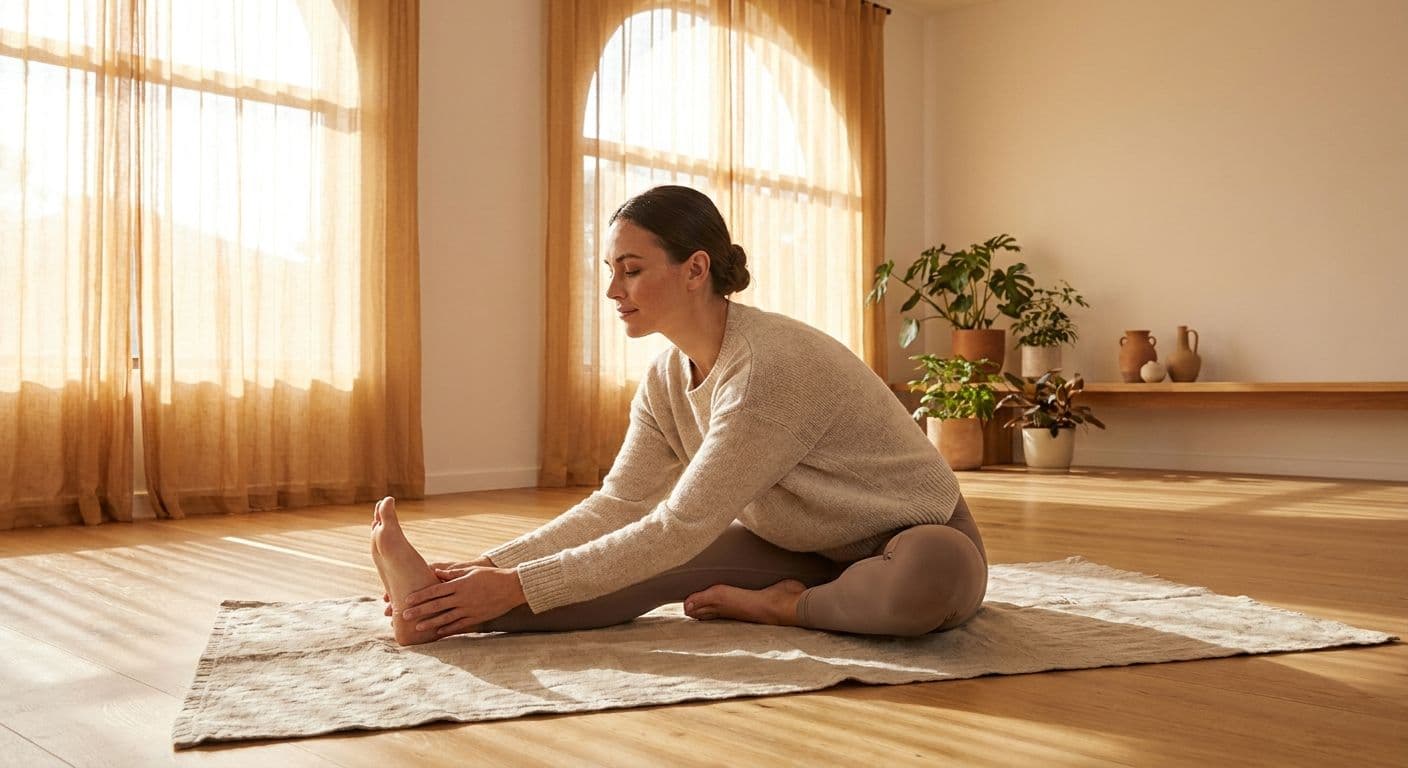
Range of motion in the hips, lower back, and inner thighs directly affects comfort during sexual activity. Chronically tight hip flexors — common in people who sit for long periods — create an anterior pelvic tilt that loads the lower back and reduces range. Tight hamstrings and adductors restrict movement further. A yoga practice, or even a dedicated 15-minute daily stretching routine focused on the hips and pelvis, makes a measurable difference — not just to comfort, but to the range of sensation available.
Body confidence as a direct variable
Consistent exercise reliably improves body image, and this effect operates largely independently of weight or physical change. The mechanism is competence: feeling capable in a body that can do things produces a very different relationship with that body than one based purely on appearance. Research consistently shows that people who exercise regularly report higher sexual satisfaction, greater ease with intimacy, more frequent initiation, and less self-consciousness during sexual activity. The effect is not driven by what the body looks like. It is driven by how it feels to inhabit it.
Testosterone, libido, and the longer-term training effect
Both testosterone production and sensitivity to testosterone improve with regular resistance training over the medium term — not just the acute post-exercise spike. People who train consistently tend to have higher resting testosterone than sedentary people. Regular resistance training is associated with higher libido and greater sexual satisfaction across multiple studies. The body becomes better at producing and using the hormones that drive desire.
What types of fitness to prioritise
If you're building a fitness routine with sexual wellbeing as a consideration, prioritise three things: cardiovascular exercise (anything that elevates heart rate for sustained periods), compound resistance training (movements that load the whole body), and hip and pelvic mobility work. These address cardiovascular health, hormonal response, and functional range respectively. They don't require a gym — bodyweight squats, lunges, hip bridges, and regular walking cover the essential bases. The commitment required is 20–30 minutes, three to four times a week. The returns are extensive.